

The Ultimate Move-In & Move-Out Checklist (For a Smooth Rental Experience)
Moving can be exciting—but it can also be stressful if you’re not prepared. Whether you’re settling into a new apartment or preparing to move out, having a clear checklist can save time, money, and headaches. This guide breaks down exactly what to do before, during, and after your move so nothing gets missed.
✅ Move-In Checklist: Start Off on the Right Foot
Before You Move-In
☐ Review your move-in packet emailed to you with important information
☐ Sign your lease agreement carefully
☐ Confirm your move-in date and time
☐ Pay required move-in costs (deposit, first month’s rent)
☐ Set up renter’s insurance (if required)
☐ Schedule utilities to start on your move-in date:
Electricity
Gas
Internet/Cable
Move-In Day
☐ Your door code will be set with the 4 digits you provided, any mailbox keys, parking tags or gate remotes will be placed in your unit.
☐ Do a full walkthrough of the unit
☐ Take photos and videos of the apartment condition
☐ Complete and submit your move-in condition form
☐ Test:
Lights and outlets
Appliances
HVAC
Toilets and faucets
First Week After Moving In
☐ Learn how to submit maintenance requests (ex: online resident portal)
☐ Review community rules and trash pickup schedule
☐ Locate emergency shutoffs and exits
☐ Update your address with:
USPS
Employer
Bank and credit cards
Subscriptions
🚚 Move-Out Checklist: Protect Your Deposit
60 Days Before Move-Out
☐ Review your lease for notice requirements
☐ Submit written notice to vacate on time through you tenant portal
☐ A preliminary walk through of your apartment will be scheduled to prepare for showings
☐ Schedule your move-out date and movers
☐ Begin decluttering and donating unused items
1–2 Weeks Before Move-Out
☐ Schedule utility shut-off or transfer
☐ Submit any maintenance requests for minor repairs
☐ Patch nail holes and remove wall anchors
☐ Clean or replace HVAC air filters
Cleaning Checklist
☐ Clean appliances (inside & out)
☐ Wipe down cabinets, counters, and baseboards
☐ Clean bathrooms thoroughly
☐ Sweep, vacuum, and mop all floors
☐ Remove all personal belongings
☐ Dispose of trash properly
Move-Out Day
☐ Do a final walkthrough of the unit
☐ Take photos after cleaning
☐ Return all gate remotes, fobs, and parking passes
☐ Lock doors and close windows
☐ Provide a forwarding address
💡 Final Tips for a Stress-Free Move
Keep all communication in writing through your resident portal when possible
Save copies of photos, emails, and receipts
Ask questions early—don’t wait until the last minute
Moving doesn’t have to be overwhelming. With the right checklist and preparation, you can move in confidently and move out smoothly—while protecting your time and your deposit.
Need help or have questions about your move? Our team is always here to help make the process as easy as possible.

Nola4Rent Guide: Understanding Your Credit Score & How to Improve It
Nola4Rent Guide: Understanding Your Credit Score & How to Improve It
At Nola4Rent, we believe everyone deserves a fair chance at finding a great home. Your credit score plays an important part in the rental approval process, and understanding what affects it can help you plan ahead with confidence.
At Nola4Rent, we believe everyone deserves a fair chance at finding a great home. Your credit score plays an important part in the rental approval process, and understanding what affects it can help you plan ahead with confidence. Whether you're preparing to apply for a unit with us or simply want to strengthen your financial foundation, this guide breaks down what might be lowering your score—and the steps you can take to boost it.
What Can Cause a Low Credit Score?
A low score doesn’t mean you’re not responsible—it usually means life happened. Here are the most common factors that may be affecting your credit:
1. Late or Missed Payments
Payment history has the biggest impact on your score. Even one payment more than 30 days late can cause a dip.
2. High Credit Card Balances
If you’re using most of your credit limit, it can signal financial strain. Keeping balances low helps build trust with lenders and housing providers.
3. Limited Credit History
If you're new to credit, there may not be enough information to generate a higher score yet. This is very common for students, young adults, and people rebuilding their financial life.
4. Accounts in Collections
Unpaid medical bills, utilities, or other accounts that move to collections can significantly lower your score.
5. Multiple Hard Inquiries
Applying for several credit cards or loans in a short period can temporarily reduce your score.
6. Errors on Your Report
Mistakes—like incorrect balances or outdated information—can hurt your score without you knowing it.
How to Improve Your Credit Score
The good news? Credit is always rebuildable. With consistency and patience, your score can improve faster than you might expect.
1. Pay Bills on Time
Set up reminders or autopay to ensure all bills are paid by their due date. This one habit has the biggest impact.
2. Lower Your Balances
Aim to use under 30% of your total credit limit—under 10% is even better.
3. Check Your Credit Reports
You can get a free report annually from Experian, Equifax, and TransUnion. Review them for errors and dispute anything that doesn’t look right.
4. Build or Rebuild Credit Smartly
Options include:
A secured credit card
Becoming an authorized user on a trusted person’s card
Credit-builder loans through your bank or credit union
5. Limit New Applications
Apply for credit only when necessary to avoid multiple hard inquiries at once.
6. Bring Past-Due Accounts Current
Even if damage has been done, catching accounts up or paying them off helps long-term.
7. Keep Older Accounts Open
The longer your credit history, the better. Closing older accounts can shorten your credit age and impact your score.
Nola4Rent Is Here to Help
At Nola4Rent, we understand that everyone’s financial journey looks different. Improving your credit takes time, but every positive step counts—and it can open the door to more rental opportunities, better rates, and a smoother approval process.
If you’re preparing to apply for one of our properties and want help understanding the credit requirements, our team is here to guide you. We’re committed to helping you feel informed, supported, and confident throughout your rental journey.
Exploring the Rental Market in New Orleans: Trends, Insights, and Featured Properties
Exploring the Rental Market in New Orleans: Trends, Insights, and Featured Properties
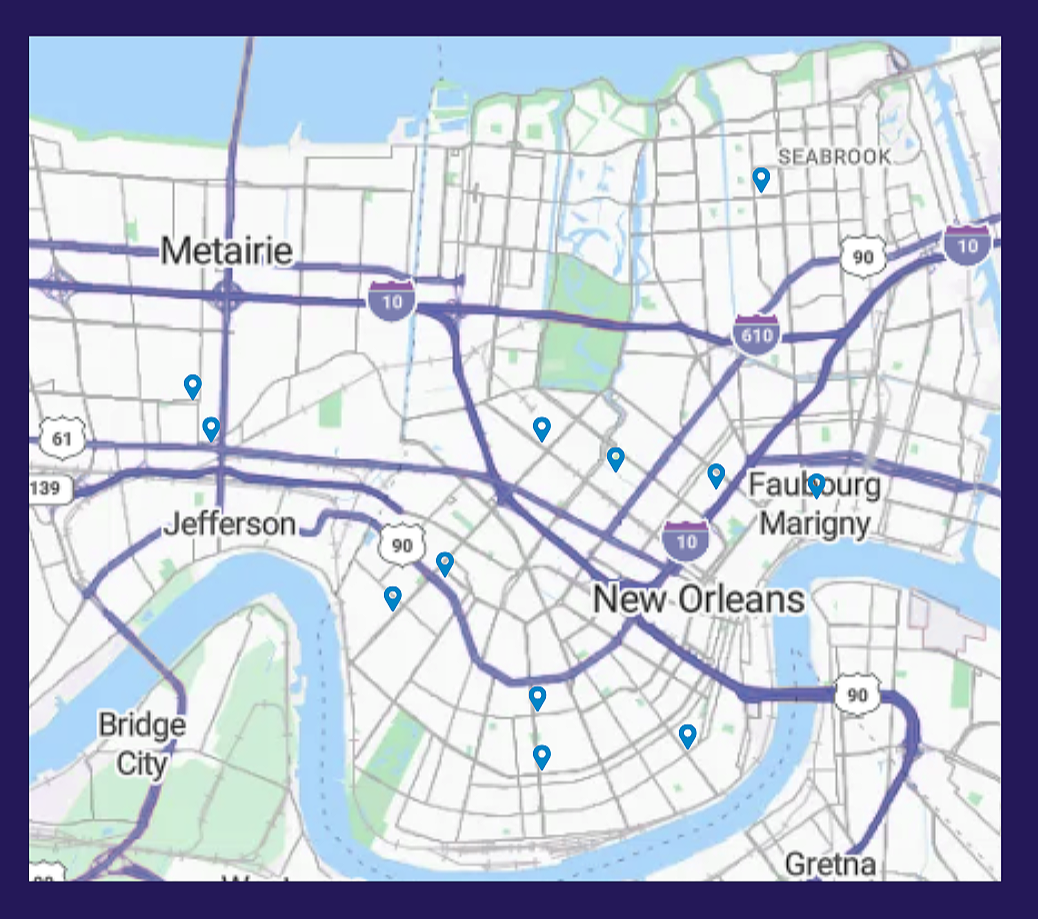
The rental market in New Orleans continues to evolve, shaped by the city’s vibrant culture, growing economy, and unique blend of historic charm and modern living. From the lively streets of the French Quarter to the peaceful neighborhoods of Uptown, renters are discovering a wide range of housing options that reflect the city’s diverse character. This overview highlights current rental trends in New Orleans and showcases some standout properties that capture the essence of living in this iconic city.
Current Trends in the New Orleans Rental Market
1. Rising Demand for Urban Living
New Orleans has seen a steady increase in demand for centrally located apartments and homes. Young professionals, students, and remote workers are drawn to neighborhoods like Fontainebleau and Mid-City, where proximity to restaurants, entertainment, and public transit enhances convenience and lifestyle.
2. Historic Homes with Modern Amenities
One of the city’s most distinctive features is its architecture. Many renters are seeking properties that combine classic New Orleans charm—such as Creole cottages and shotgun houses—with updated interiors, energy-efficient systems, and smart home technology.
3. Neighborhood Revitalization
Areas like Bywater, Marigny, and Gentilly are experiencing revitalization, attracting new residents and businesses. These neighborhoods offer a mix of affordability, community spirit, and easy access to downtown.
Featured Properties
7 Fontainebleau
Nestled among oak-lined streets, 7 Fontainebleau provide a peaceful retreat with easy access to S. Carrollton Ave and Claiborne Ave. Each unit features updated kitchens, hardwood floors, and completely renovated bathrooms. The property’s proximity to universities and local cafes makes it ideal for students and professionals alike.
Greenway Crossing – Mid-City
Greenway Crossing offers spacious apartments designed for comfort and community. With modern finishes, energy-efficient appliances, and pet-friendly policies, these homes cater to families and long term renters. The nearby Lafitte Greenway provides outdoor recreation and easy biking access to downtown.
The Gentilly
Gentilly is known for its friendly neighbors and easy pace of living. Residents enjoy being just minutes from everyday essentials, including grocery stores, pharmacies, and local eateries that showcase the flavor of New Orleans. The area is also perfect for those who enjoy staying active and connected to the outdoors. With quick access to the Lakefront, residents can bike, walk, or relax along the water. Nearby parks and green spaces make it easy to enjoy fresh air or spend time with family and pets.
Bayou Rd – Historic Treme
For those seeking a true New Orleans experience, Bayou Rd delivers historic neighborhood charm with a contemporary twist. Restored mix of apartments and townhouses this building is on an oak lined street walking distance to coffee shops, restaurants, and a grocery store.
Why Rent in New Orleans?
New Orleans offers more than just a place to live—it provides a lifestyle rich in culture, cuisine, and community. The city’s neighborhoods each tell their own story, offering something for everyone, from the energy of downtown to the tranquility of Lakeview. With a growing job market, expanding infrastructure, and a strong sense of local pride, New Orleans continues to attract renters from across the country.
The New Orleans rental market reflects the city’s dynamic spirit—historic yet forward-looking, diverse yet deeply rooted in tradition. Whether seeking a modern loft, a classic apartment, or a family-friendly home, renters can find a property that fits their lifestyle and budget. With featured properties like The Gentilly, Greenway Crossing, and 7 Fontainebleau, the city offers endless opportunities to experience the best of New Orleans living.